Dear Iphigenia by Sara Mansfield Taber
I know not what
A mother can say
To a daughter
Who was ripped from her
Before they’d barely begun
The long alliance usual to a mother and child



I know not what
A mother can say
To a daughter
Who was ripped from her
Before they’d barely begun
The long alliance usual to a mother and child

Dear friends, dear all. I’m from Milan. I’ve been living in isolation since the end of February. Now, it’s almost a month. I’m seeing patients through Skype—all of them, including the one previously on the couch. No direct contact. They pay through the internet as well. Patients are now tired. Some of them are afraid to lose their jobs. Some have already lost them. They do not see the end of this nightmare. Children stopped going to school…

I work privately and in our public health system—where most of our patients come from severely impoverished backgrounds—where therapy can be framed as being psychoanalytically informed.

Thanks for this space! I hope you’re doing well with all the restrictions. I have two thoughts: First, we are dealing with the fear of death, this fear of annihilation, which is experienced differently for each of us and must be especially mobilizing for those who are in the high-risk group. Generally, for the older generation…

Dear colleagues, I’m a candidate in Paris, and it is so great to hear all of you. Weirdly, this makes us, virtually, connect more. Why are crises necessary to create the motivation of gathering and coming together as a community?

As we do the holding for our clients in this time of confinement, accelerated changes, tragic losses, and fear, someone must hold us as well, being a loving partner who offers a hug at the end of day; or we must have a spiritual practice that calms and grounds our breathing or a community like this one, whom I can imagine silently and attentively listening. It has been a difficult two weeks…
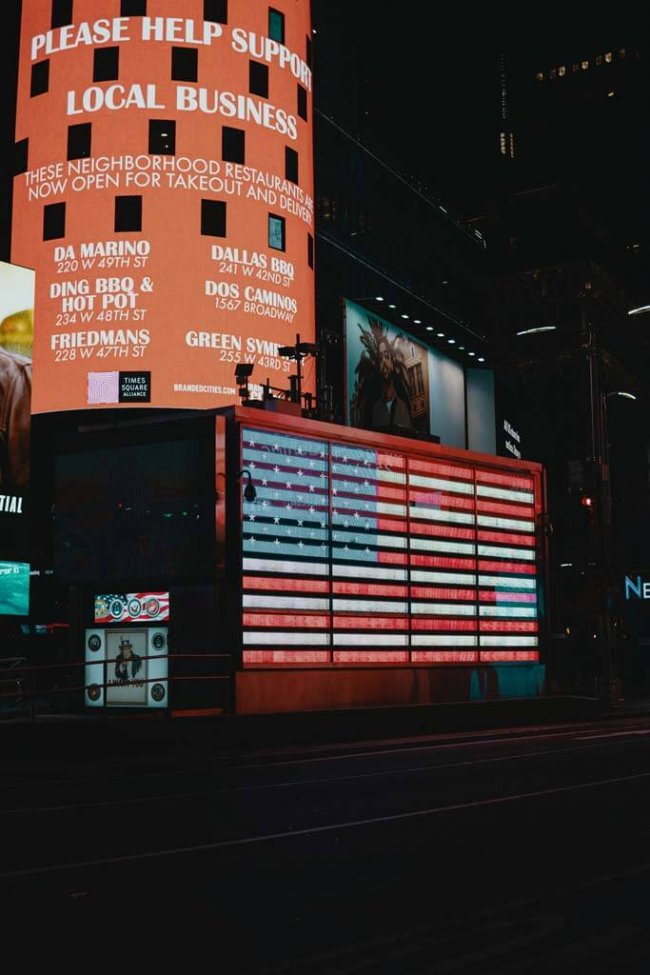
The coronavirus pandemic has rocked our world as we knew it, bringing visceral waves of anxiety and fear and unspeakable, unbearable loss in its wake. For many of us, our way of life, our livelihood, our intimacies, and our social connections have been relegated to the phone and the internet—digital lifelines of virtual contact in which the very medium of connection can accentuate the distance, the loneliness.

I feel very blessed about the possibility of hearing your voices coming from all over the world. This is connection, containment, intimate sharing, and deep support in a harsh and uncertain time…
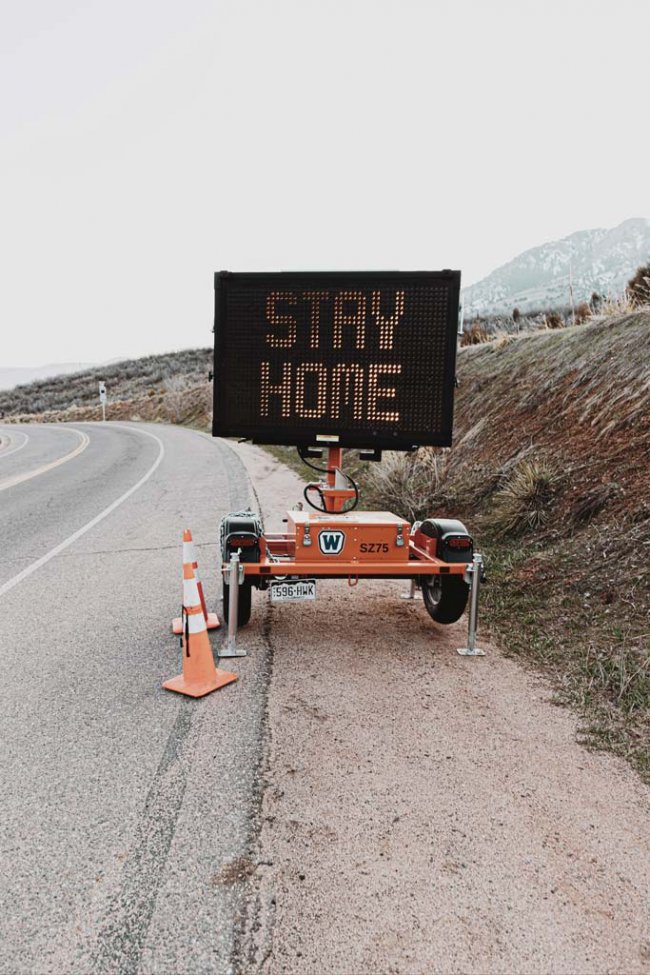
My thinking has been simpler, less developed. Yesterday morning, I did three sessions: one phone, two FaceTime. At the end, I was overwhelmed with emotion, struggling to hold myself together. My last patient had her own version of “I’m not accomplishing anything.” I realized that she is working so hard in unrecognized ways: caring for her ninety-four-year-old father when she just remarried a few months ago, needing to social distance from a beloved daughter who is coming to town, having the strength to do this, her own terror and needs for care, etc. The familiar storms that batter us now. I said to her simply…

Two years ago, an article in the New York Times1 about Donald Trump’s “friends” made me want to collect the little we know about such friendships, some or all of which may apply to Trump himself.

In mythology, in fairy tales, and in psychoanalysis, losing one’s sight often indicates that a disaster has occurred, an event so unbearable that it is no longer possible to look at it. Yet in the ongoing scourge that is the Trump administration, Trump cannot bear that we look away from the disaster.
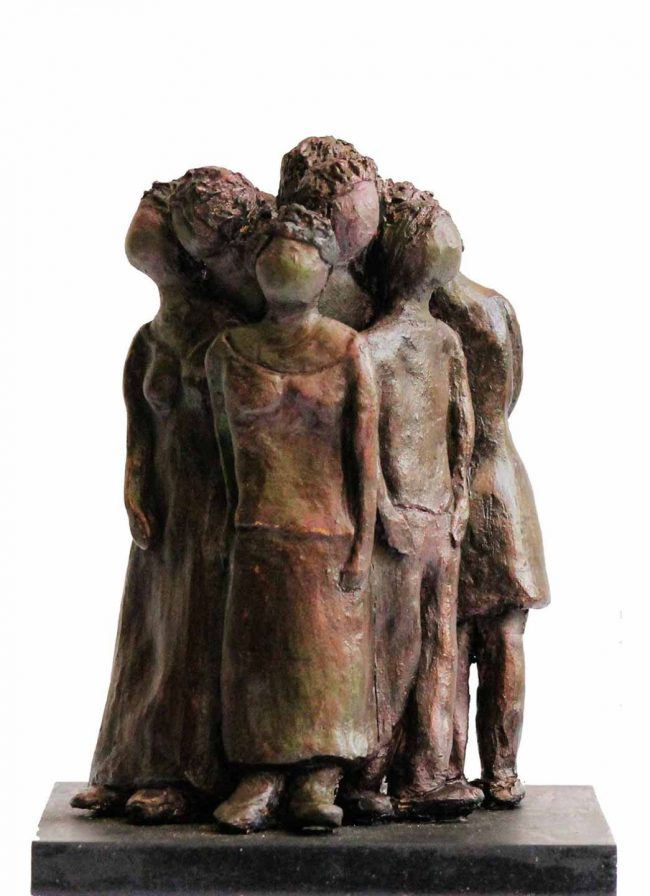
Dreams, words, ideas, memories, contradictions—all of it is wrapped together in your feelings. The moment of leaving nears. The departure is certain…