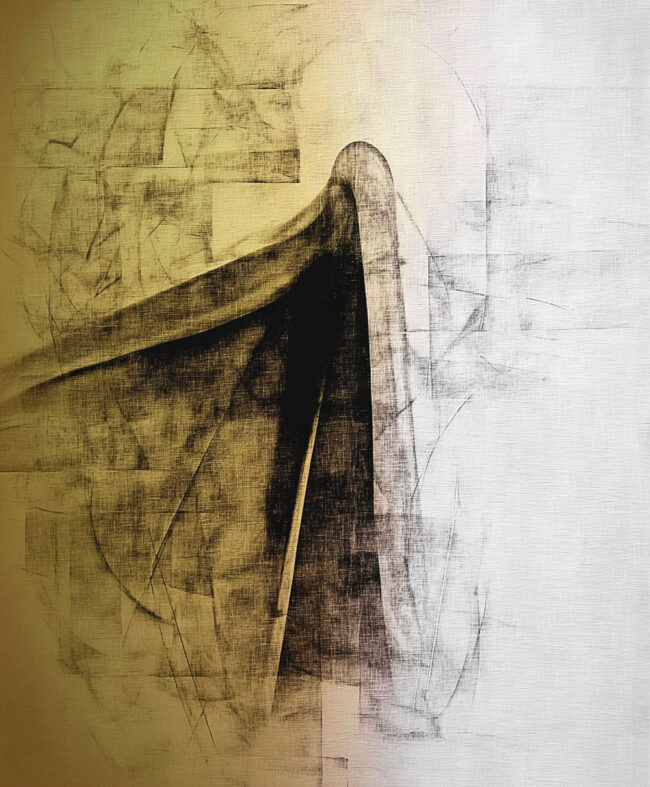
THROW YOUR INHERITANCE AWAY by Mahsa Nourzadeh

Mahsa Nourzadeh (Mahsa Nouri) is an Iranian poet who writes in both Persian and English. She has not only found poetry a means to share her feelings and heal her wounds but also considers translation an adventurous and helpful path. She translates her thoughts and feelings into poetry, her poems into another language, sometimes into another art form, and finally into the feelings of the audience, using translation as a way to communicate. With each step along this path, she aims to shed new light on the depths of her own and the audience’s feelings, beginning the healing of unspoken pain. You can read her other works in Spellbinder magazine and Encyclopedia Prismatica.
Victims of a Commodified Society by David Morgan

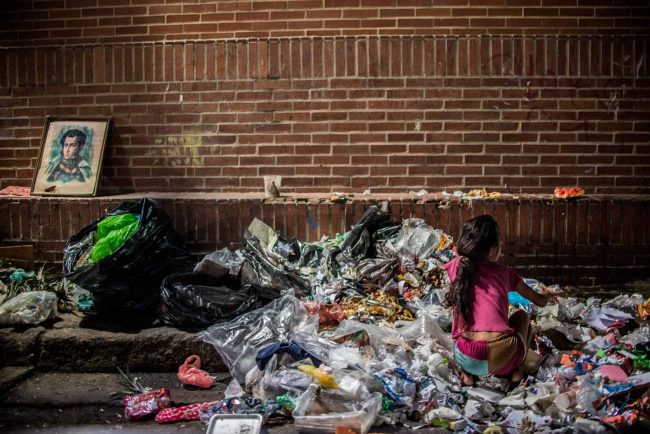
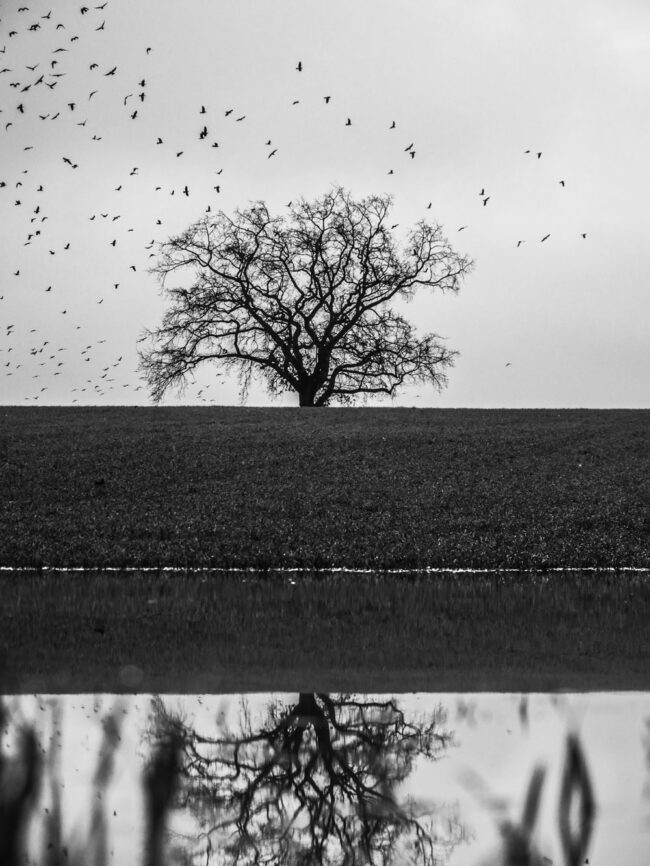
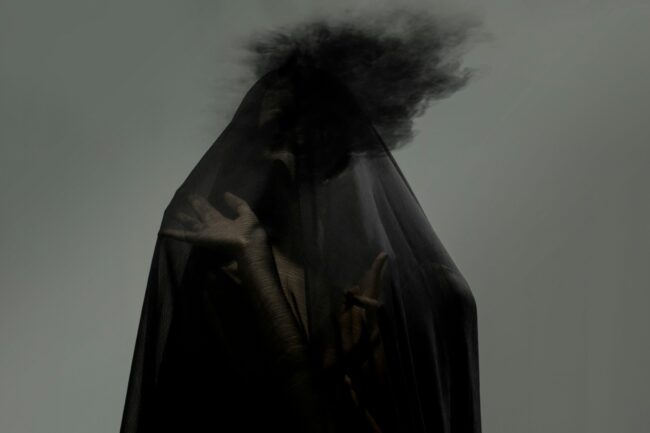
On 28 July 2025, four people were killed in a mass shooting in their Park Avenue office tower in central Manhattan. Among the victims were Wesley LePatner, a senior executive at Blackstone and a mother of two, and Didarul Islam, an off-duty police officer working in private security who served as a building guard and management employee. The gunman, Shane Devon Tamura, aged twenty-seven, ended his own life after the attack. Like so many similar incidents, this was not merely another chapter in the relentless American cycle of gun violence…It has now become, at least for this writer, a parable of what happens when people are reduced to functional market value and usage: a world where human beings come to see themselves, and are seen by others, as assets or failures, winners to be rewarded or discards to be forgotten.

Homesick, USA by Liam A. Faulkner

Grief has been on our minds lately, both my patient’s and mine. In addition to the anguish inherent in his transatlantic move and resultant “regressus ad uterum,” our work has also touched upon the grief we share with many of our fellow Americans at the loss of another home, another nurturing womb: that of the very country he grew up in and to which I moved.

Black photocopy collage by Mafe Izaguirre

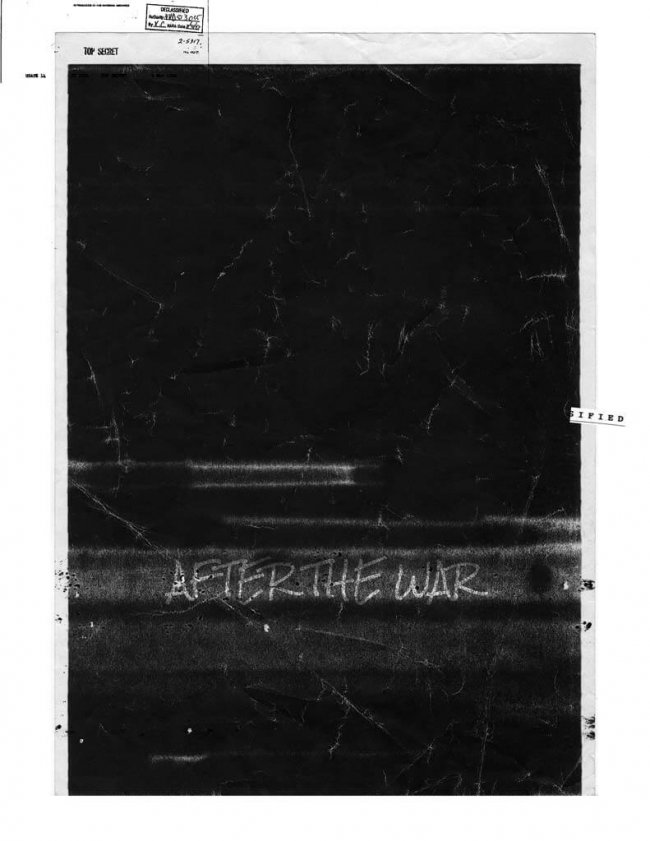
AFTER THE WAR by Iris Fodor

When I was a child in the Bronx in the 1940s, whenever a plan for the future was proposed, it would be followed by the phrase
“after the war.” My parents would say, “after the war” my father would quit Ritz radio and start his own business.

Against the Wind © Natalie Korytnyk Forrester

SCULPTING GRIEF by Natalie Korytnyk Forrester

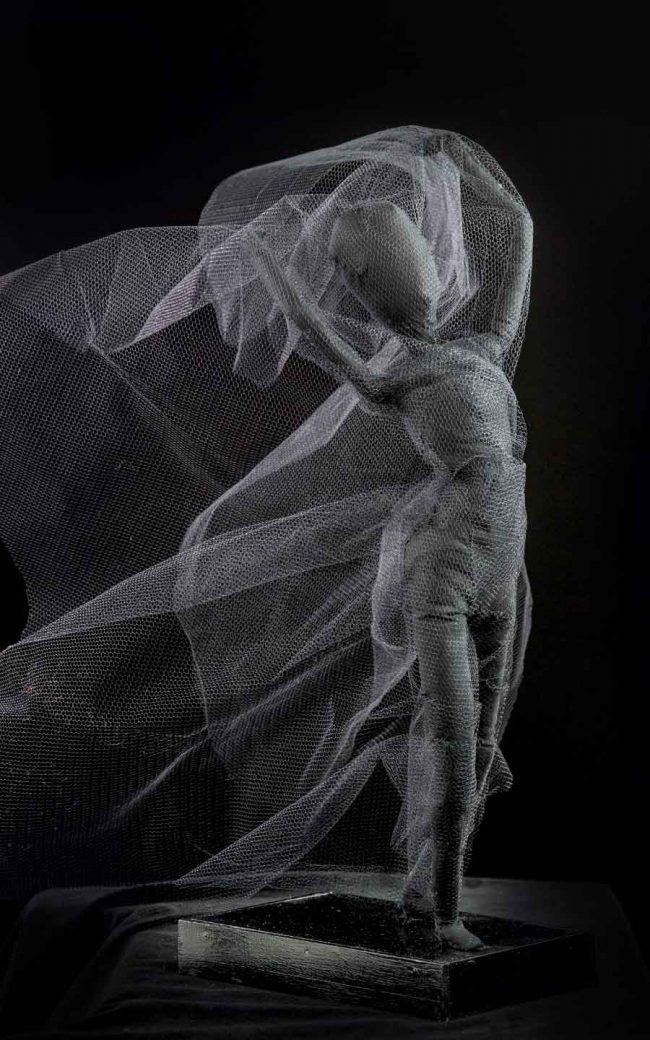
I wish I knew exactly what drew me in. I do recall what I brought: a bullet and my late husband’s dried wedding boutonniere. Melissa Ichiuji, the workshop teacher, was afraid the bullet could explode easily. I reassured her it wouldn’t. I just never imagined something solid could explode without impact.