
This Black Thing by Jennifer Hall
While I could not imagine coexisting within the intimate space of the psychotherapy session with a white patient, I could imagine numerous other things.
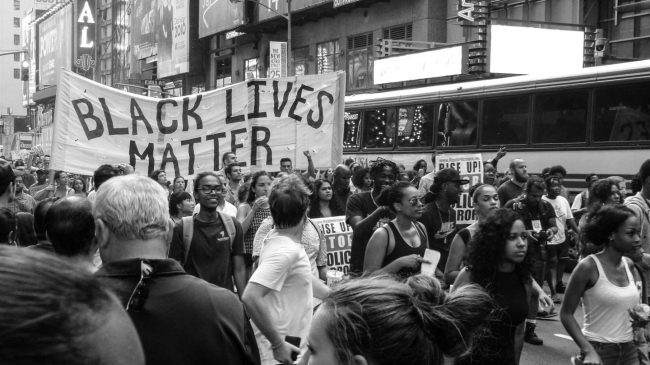
[…] Many of us recognized the need to unblinkingly face the people we kill by our complicity in a racist system, a system that could make such an unabashed murder possible. Many of us started a long-overdue process of mourning the devastating impact of our complicity, of the ways we enact our own nightmares, creating a nightmare for an Other. But such tectonic cultural shifts generate great volatility.
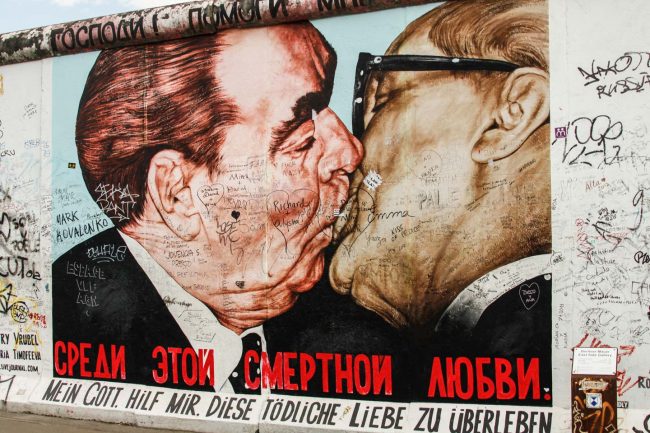
I had a safe childhood growing up in Brezhnev-era Soviet Russia. My family was a rather typical one, according to the principle formulated by Leo Tolstoy in Anna Karenina: “All happy families are alike; each unhappy family is unhappy in its own way.”
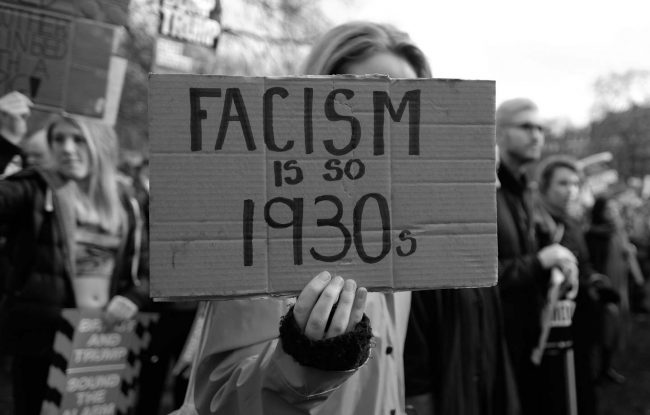
I can thank Donald Trump for one thing and one thing only: he got me to read things I never would have read before. As my anxiety about his rhetoric kept increasing, Jason Stanley’s book On How Fascism Works: The Politics of Us and Them convinced me my fear of a fascist government takeover was not so far-fetched under the right conditions…
Two protestors stand side by side—one black, the other white. The black figure holds a sign that reads “I Can’t Breathe”; the white figure holds a sign that reads “I Can’t See.” I am the youngest daughter of Jack (an orphan) and Rose Fine, who was the youngest of eighteen children, both Jewish refugees from Poland.